
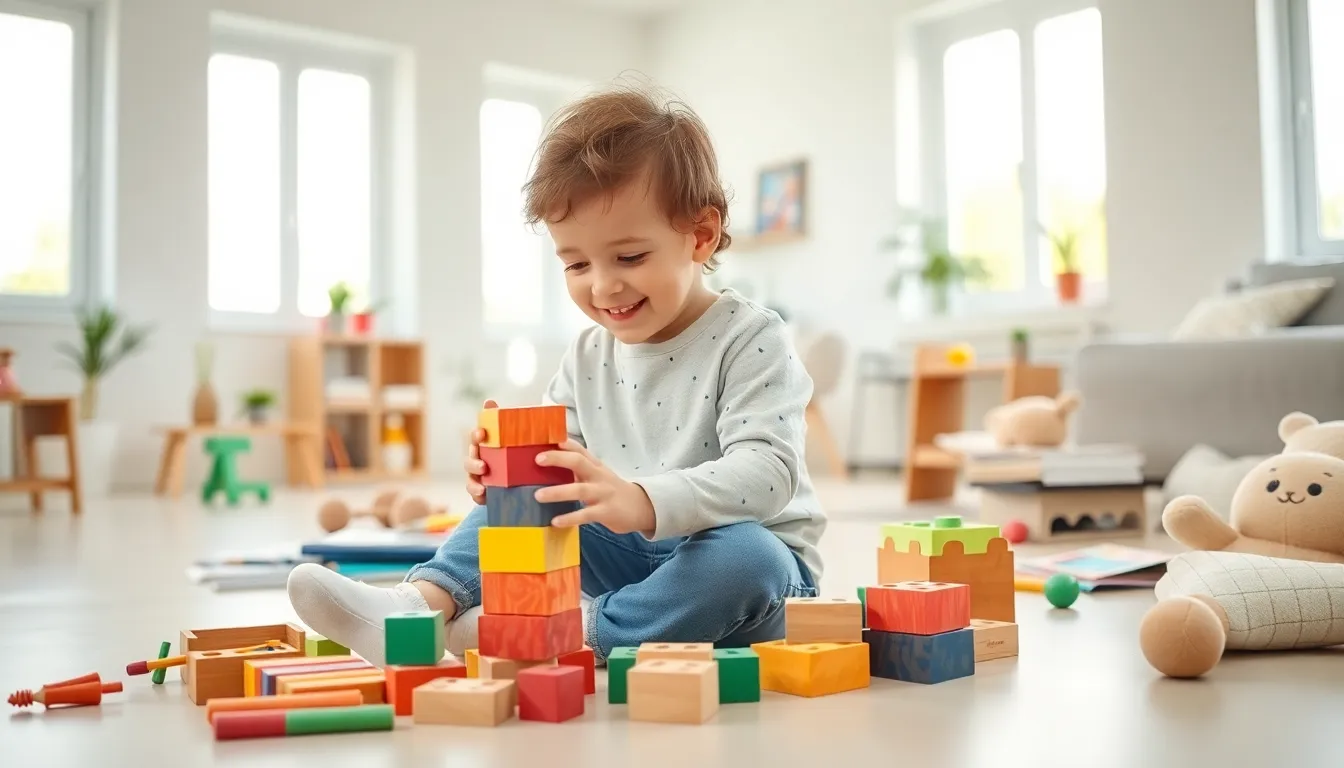
Early learning and play form the foundation of childhood development. When children play, they build essential skills that shape their future success. This isn’t just fun and games, it’s how young minds grow.
Early learning and play describes the process where children acquire knowledge, skills, and social abilities through hands-on, playful experiences. From stacking blocks to pretend tea parties, every activity teaches something valuable. Research shows that play-based learning helps children develop cognitive, emotional, and physical abilities during their most formative years.
This article explains the connection between play and development, explores different types of play, and offers practical ways parents and caregivers can support early learning and play at home.
Table of Contents
ToggleKey Takeaways
- Early learning and play is the process where children develop cognitive, emotional, social, and physical skills through hands-on, playful experiences.
- Play is not a break from learning—it is learning, helping children’s brains form neural connections at a rapid pace.
- Different types of play (free, structured, imaginative, physical, constructive, and social) support different areas of child development.
- Children who engage in regular early learning and play show stronger academic readiness and social skills when entering school.
- Parents can support play-based learning by creating unstructured time, providing open-ended materials, and playing alongside their children.
- Limiting screen time and encouraging outdoor play offers unique sensory experiences and physical challenges that boost development.
The Connection Between Play and Child Development
Play is the primary way children learn about themselves and the world around them. It’s not a break from learning, it is learning.
During early learning and play, children’s brains form neural connections at a rapid pace. When a toddler builds a tower and watches it fall, they’re learning about gravity, cause and effect, and spatial relationships. When they play house with friends, they practice communication, empathy, and problem-solving.
The American Academy of Pediatrics emphasizes that play promotes healthy brain development. It helps children:
- Process emotions and manage stress
- Build relationships with peers and adults
- Practice decision-making in low-stakes situations
- Develop creativity and imagination
Early learning and play also supports language development. Children who engage in regular play-based activities hear and use more words. They learn to express ideas, ask questions, and understand others.
Physical play matters too. Running, climbing, and jumping strengthen muscles and improve coordination. Fine motor skills develop through activities like drawing, cutting with scissors, and manipulating small objects.
The connection is clear: children who have ample opportunities for early learning and play show stronger academic readiness and social skills when they enter school.
Types of Play That Support Early Learning
Not all play looks the same, and that’s a good thing. Different types of play support different areas of development. Here are the main categories that contribute to early learning and play.
Free Play
Free play happens when children choose their own activities without adult direction. A child might decide to dig in the sandbox, create an imaginary world, or sort rocks by size. This type of play builds independence, creativity, and self-regulation.
Structured Play
Structured play involves games with rules or adult-led activities. Board games, organized sports, and guided art projects fall into this category. Children learn to follow instructions, take turns, and work toward goals.
Imaginative Play
Pretend play lets children explore different roles and scenarios. They might play doctor, run a pretend restaurant, or act out stories. This type of early learning and play develops language, empathy, and abstract thinking.
Physical Play
Active play includes running, dancing, climbing, and tumbling. It builds strength, coordination, and body awareness. Physical play also releases energy and helps children regulate their emotions.
Constructive Play
Building with blocks, creating art, and assembling puzzles are examples of constructive play. Children practice planning, problem-solving, and fine motor skills.
Social Play
Playing with others teaches cooperation, negotiation, and conflict resolution. Children learn to share, compromise, and understand different perspectives.
A balanced mix of these play types creates the richest environment for early learning and play.
Key Skills Children Develop Through Play
Early learning and play builds a wide range of skills that children carry throughout their lives. Here’s what happens when kids have regular opportunities to play.
Cognitive Skills
Play strengthens thinking abilities. Children learn to solve problems, recognize patterns, and understand cause and effect. Memory improves as they remember rules, sequences, and storylines. Math concepts emerge naturally through counting, sorting, and measuring during play.
Language and Communication
Conversation during play expands vocabulary. Children practice expressing ideas, listening to others, and following verbal instructions. Storytelling and role-play particularly boost language development in early learning and play settings.
Social and Emotional Skills
Play teaches children how to interact with others. They learn to read facial expressions, manage frustration, and resolve conflicts. Taking turns and sharing become easier with practice. Children also develop empathy by imagining how others feel.
Motor Skills
Gross motor skills improve through running, jumping, and climbing. Fine motor skills develop through drawing, cutting, and building. These physical abilities support everything from writing to self-care tasks like buttoning shirts.
Creativity and Imagination
Open-ended play encourages original thinking. Children who regularly engage in early learning and play become better at generating ideas, solving problems creatively, and thinking flexibly.
Self-Regulation
Play helps children manage impulses and emotions. Following game rules, waiting for a turn, and handling disappointment when things don’t go as planned, all build self-control.
These skills don’t develop in isolation. Early learning and play weaves them together, creating well-rounded development.
How Parents and Caregivers Can Encourage Play-Based Learning
Supporting early learning and play doesn’t require expensive toys or elaborate setups. Simple, intentional choices make a big difference.
Create Time and Space for Play
Children need unstructured time to explore. Resist the urge to fill every moment with scheduled activities. A clear floor space with accessible toys invites independent play.
Provide Open-Ended Materials
Blocks, art supplies, dress-up clothes, and natural materials like sticks and stones spark imagination. These items can become anything a child dreams up, unlike toys with a single purpose.
Join the Play
Get down on the floor and play alongside children. Follow their lead rather than directing. Ask open-ended questions like “What should we do next?” or “Tell me about what you’re building.” This involvement enriches early learning and play experiences.
Limit Screen Time
Passive screen time doesn’t offer the same benefits as hands-on play. Set boundaries and encourage active, creative alternatives.
Go Outside
Outdoor play offers unique opportunities. Nature provides endless sensory experiences, physical challenges, and materials for creative play. Even a short walk can become an early learning and play adventure.
Embrace Messiness
Painting, water play, and digging in dirt create mess, and learning. Allow children to get messy sometimes. The benefits outweigh the cleanup.
Read Together
Books spark imagination and introduce new vocabulary. Reading together daily supports language development and can inspire play themes.
Consistency matters most. Regular opportunities for early learning and play yield the greatest results.


