
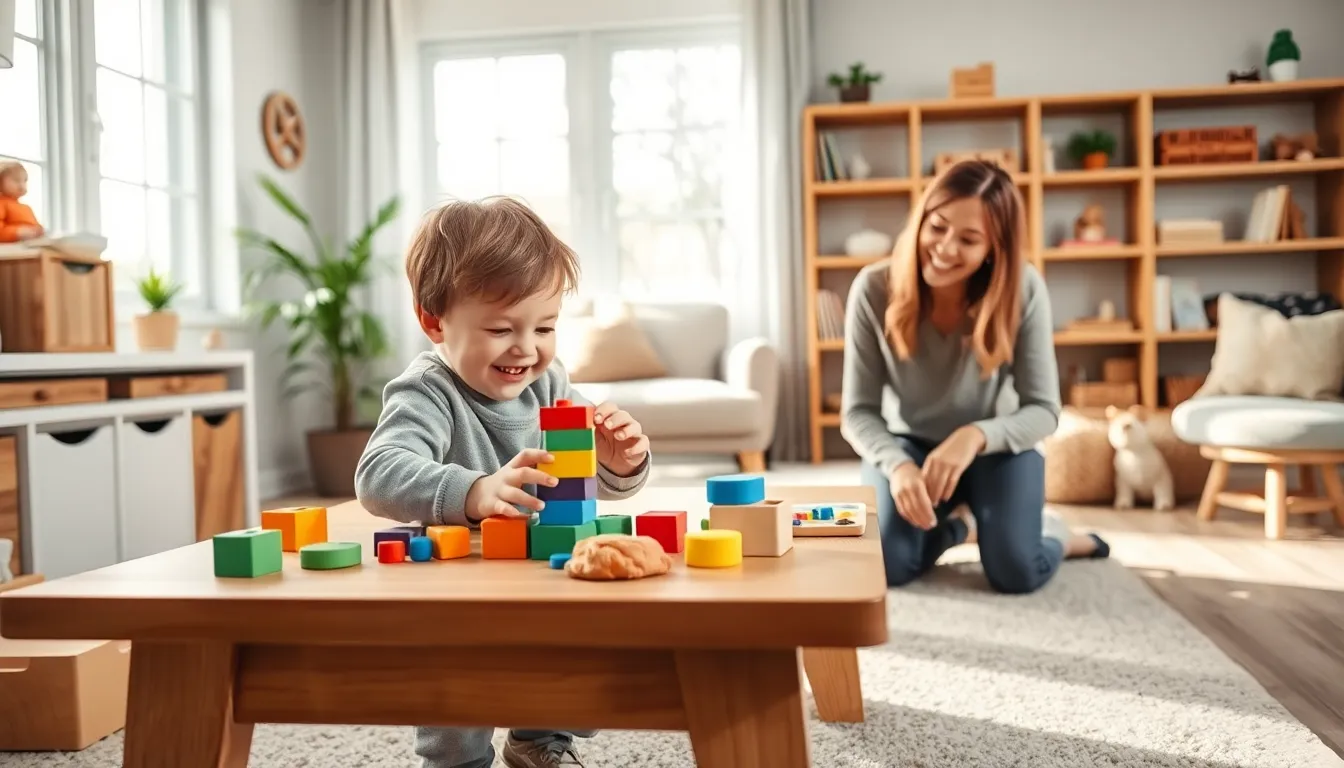
Early learning and play techniques shape how children develop critical skills during their first years of life. Research shows that children learn best when they play. Their brains form connections faster during hands-on activities than during passive instruction. This article covers the types of play that matter most, practical techniques parents can use, and how to set up a home environment that encourages growth. Whether a child is stacking blocks or pretending to run a restaurant, every playful moment builds the foundation for future success.
Table of Contents
ToggleKey Takeaways
- Early learning and play techniques build essential neural pathways that support memory, attention, and self-control in young children.
- Different types of play—sensory, exploratory, and imaginative—develop distinct skills, so offer children varied play opportunities.
- Follow your child’s lead and ask open-ended questions to maximize learning during playtime.
- Limit screen time and prioritize hands-on play, which offers developmental benefits screens cannot replicate.
- Create an effective play environment by keeping materials accessible, rotating toys regularly, and choosing open-ended items like blocks and playdough.
- Even 15 minutes of focused, playful interaction daily makes a meaningful difference in your child’s development.
Why Play Is Essential for Early Childhood Development
Play is not just fun, it’s how young children make sense of the world. During play, children practice problem-solving, develop language skills, and learn to regulate their emotions. The American Academy of Pediatrics states that play promotes brain development and helps children build social connections.
When children engage in early learning and play techniques, they strengthen neural pathways that support memory, attention, and self-control. A toddler who sorts colored rings is learning categories. A preschooler who builds with blocks is exploring spatial relationships. These activities look simple, but they create lasting cognitive benefits.
Play also supports emotional health. Children process fears, frustrations, and new experiences through pretend scenarios. A child who “plays doctor” after a scary clinic visit is working through that experience in a safe way. This kind of processing helps children develop resilience.
Physical play matters too. Running, climbing, and jumping build motor skills and coordination. Active play releases energy and improves sleep quality. It also reduces anxiety and supports overall well-being.
Parents sometimes worry that play takes time away from “real” learning. But play is real learning. It’s the most effective way young children absorb information and develop skills they’ll use for the rest of their lives.
Types of Play That Support Learning
Different types of play build different skills. Understanding these categories helps parents and caregivers offer a range of experiences. Early learning and play techniques work best when children have access to varied play opportunities.
Sensory and Exploratory Play
Sensory play involves activities that stimulate the five senses. Think water tables, sand boxes, finger painting, and playdough. These activities help children understand textures, temperatures, and physical properties.
Exploratory play encourages curiosity. When a baby shakes a rattle or a toddler pours water between cups, they’re conducting experiments. They’re asking questions like “What happens if I do this?” and discovering the answers themselves.
Sensory bins are a popular tool for early learning and play techniques. Fill a container with rice, beans, or kinetic sand. Add scoops, small toys, or measuring cups. Children can dig, pour, and sort for extended periods. This kind of play builds fine motor skills and concentration.
Nature exploration counts as sensory play too. Collecting leaves, splashing in puddles, or digging in dirt gives children rich sensory input. It also connects them to the natural world.
Imaginative and Pretend Play
Pretend play emerges around age two and becomes more detailed as children grow. During imaginative play, children create scenarios, assign roles, and follow storylines they invent.
This type of play builds language skills quickly. Children practice new vocabulary, experiment with sentence structures, and learn conversational turn-taking. A child running a pretend grocery store might use words like “total,” “change,” and “receipt.”
Pretend play also develops empathy. When children take on different roles, they practice seeing situations from other perspectives. A child who pretends to be a parent caring for a baby doll is practicing nurturing behavior.
Simple props support imaginative play. Dress-up clothes, play kitchens, toy tools, and stuffed animals all encourage storytelling. But elaborate toys aren’t necessary. A cardboard box can become a spaceship, a car, or a house. Open-ended materials spark more creativity than toys with fixed purposes.
Practical Techniques to Encourage Learning Through Play
Parents and caregivers can use specific early learning and play techniques to maximize the benefits of playtime. These strategies don’t require special training or expensive materials.
Follow the child’s lead. Watch what captures a child’s attention and build on that interest. If a toddler is fascinated by cars, use cars to teach counting, colors, and size comparisons. Learning happens faster when children are genuinely engaged.
Ask open-ended questions. Instead of asking “What color is that?” try “Tell me about what you’re building.” Open-ended questions encourage children to think, explain, and expand their ideas.
Narrate play activities. Describe what a child is doing as they do it. “You’re stacking the blue block on top of the red one. Now you have a tall tower.” This technique builds vocabulary and helps children connect words to actions.
Introduce challenges gradually. If a child has mastered a puzzle, offer one with more pieces. If they’ve learned to pour water, add cups of different sizes. Small challenges keep play interesting and promote growth.
Limit screen time. The American Academy of Pediatrics recommends minimal screen use for children under two and no more than one hour daily for children ages two to five. Hands-on play offers benefits that screens cannot replicate.
Play together. Adult participation makes play more valuable. When parents join in, children feel connected and supported. Joint play also gives adults opportunities to model social skills, introduce new vocabulary, and extend activities.
These early learning and play techniques don’t require large time commitments. Even 15 minutes of focused, playful interaction each day makes a meaningful difference.
Creating an Effective Play Environment at Home
The physical environment shapes how children play. A well-designed space supports early learning and play techniques without requiring a dedicated playroom or expensive equipment.
Keep materials accessible. Store toys and supplies where children can reach them independently. Low shelves, open bins, and clear containers help children choose activities and put things away. Independence builds confidence.
Rotate toys regularly. Children lose interest in toys they see every day. Pack some toys away and bring them back in a few weeks. Rotation keeps materials fresh and exciting.
Create zones for different activities. A reading corner with pillows and books encourages quiet time. A table with art supplies invites creativity. A clear floor space allows for building and active play. Zones help children understand what kind of play happens where.
Choose open-ended materials. Blocks, balls, crayons, playdough, and dress-up items can be used in countless ways. They grow with children and support creativity better than single-purpose toys.
Reduce clutter. Too many toys can overwhelm children and shorten attention spans. A smaller selection of quality materials leads to deeper, more focused play. If a space feels chaotic, donate or store some items.
Include natural elements. Plants, wooden toys, and natural materials like stones or pinecones add sensory variety. They also create a calming atmosphere.
Prioritize safety. Check for choking hazards, sharp edges, and unstable furniture. Supervision matters, but a safe environment allows children more freedom to explore.
Creating this kind of space doesn’t require a big budget. Thrift stores, library toy lending programs, and household items work well. What matters most is giving children room to move, choose, and create.


