
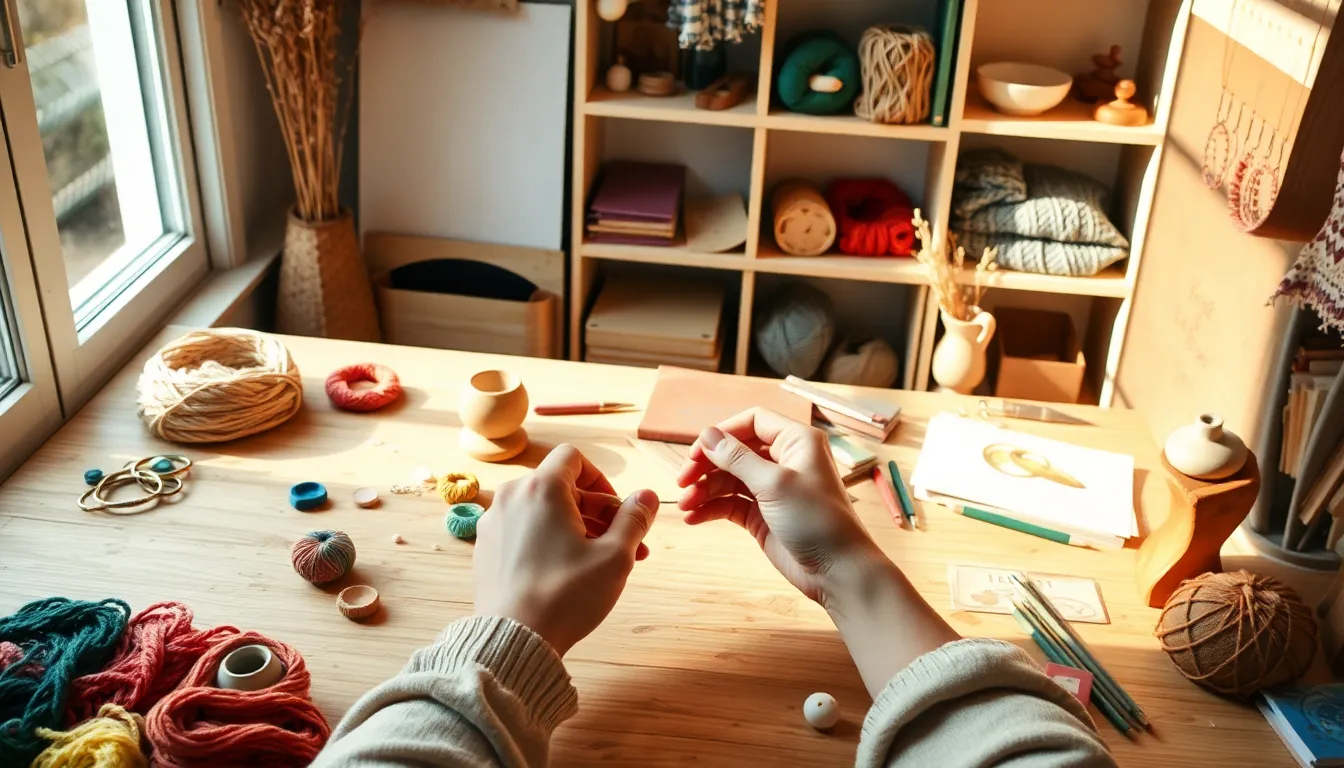
What is arts & crafts? This question sparks curiosity in millions of people who want to create something with their hands. Arts & crafts refers to a wide range of creative activities that combine artistic expression with practical skill. From painting and pottery to knitting and woodworking, these activities have shaped human culture for centuries.
Today, arts & crafts remains a popular pursuit for people of all ages. Whether someone wants to make handmade gifts, start a new hobby, or simply relax after a long day, creative activities offer something valuable. This guide explains what arts & crafts means, traces its history, explores popular types, and shows how anyone can begin their creative journey.
Table of Contents
ToggleKey Takeaways
- Arts & crafts refers to creative, hands-on activities that produce decorative or functional objects, blending artistic expression with practical skill.
- The Arts and Crafts Movement began in 1800s Britain as a response to mass production, championing handmade quality and traditional techniques.
- Popular arts & crafts categories include paper crafts, textile arts, pottery, jewelry making, woodworking, and mixed media.
- Engaging in arts & crafts offers proven benefits like stress relief, improved focus, social connection, and cognitive health.
- Beginners should start with simple projects, use free online tutorials, and join crafting communities for support and inspiration.
- Imperfection is part of the creative journey—progress comes from practice, not from getting it right the first time.
Defining Arts & Crafts
Arts & crafts describes creative activities that produce decorative or functional objects by hand. The term combines two related concepts. “Art” typically refers to work created primarily for aesthetic purposes. “Craft” emphasizes skill and technique used to make useful items.
The line between art and craft often blurs. A handmade ceramic bowl can be both beautiful and practical. A woven tapestry serves as decoration while showcasing technical expertise. This overlap makes arts & crafts such a rich and varied field.
Arts & crafts differs from fine art in a few key ways. Fine art, like gallery paintings or museum sculptures, focuses mainly on expression and meaning. Arts & crafts usually involves creating objects people can use or display in their daily lives. Think of quilts, jewelry, candles, or hand-carved furniture.
Another defining feature is the hands-on approach. Arts & crafts projects require direct physical involvement. People cut, glue, sew, paint, mold, and shape materials into finished pieces. This tactile experience sets arts & crafts apart from digital creative work.
The History and Origins of Arts & Crafts
Arts & crafts has existed as long as humans have. Early people created tools, clothing, and decorations using natural materials. Ancient civilizations developed pottery, weaving, metalwork, and other crafts that served both practical and ceremonial purposes.
The modern Arts and Crafts Movement began in Britain during the mid-1800s. Designers like William Morris led this movement as a reaction against industrial mass production. They believed factory-made goods lacked soul and quality. Morris and his followers championed handmade objects, traditional techniques, and honest craftsmanship.
This movement spread to America and influenced architecture, furniture design, and decorative arts. The Craftsman style homes popular in early 20th century America grew directly from Arts and Crafts principles. Simple forms, natural materials, and visible craftsmanship defined this aesthetic.
Arts & crafts experienced another surge during the 1960s and 1970s. The counterculture embraced handmade goods as an alternative to consumer culture. Macramé, tie-dye, and pottery became symbols of self-expression and independence.
Today, arts & crafts continues to thrive. Online platforms like Etsy have created global marketplaces for handmade goods. Social media lets crafters share techniques and inspiration instantly. The desire to create with one’s hands remains as strong as ever.
Popular Types of Arts & Crafts
Arts & crafts includes dozens of different activities. Here are some of the most popular categories:
Paper Crafts
Scrapbooking, origami, card making, and paper cutting fall into this group. Paper crafts require minimal equipment and suit beginners well. Many people start their arts & crafts journey with simple paper projects.
Textile Crafts
Knitting, crocheting, sewing, embroidery, and quilting use fabric and fiber as primary materials. These crafts produce wearable items, home décor, and gifts. Textile arts & crafts traditions exist in every culture worldwide.
Pottery and Ceramics
Working with clay allows people to create bowls, vases, sculptures, and tiles. Pottery requires more equipment than some crafts but offers unique satisfaction. The process of shaping soft clay into permanent objects appeals to many crafters.
Jewelry Making
Beading, wire wrapping, metalsmithing, and resin casting produce wearable accessories. Jewelry making combines artistic design with precise technical skills. Finished pieces make excellent gifts or products to sell.
Woodworking
Carving, whittling, furniture making, and wood burning transform lumber into functional and decorative items. Woodworking ranges from simple projects to complex builds requiring specialized tools.
Mixed Media and Collage
These arts & crafts combine multiple materials and techniques in single pieces. Artists might mix paint, fabric, found objects, and photographs to create layered works.
Benefits of Engaging in Arts & Crafts
Arts & crafts offers more than just finished projects. Research shows that creative activities provide significant mental and physical benefits.
Stress Relief
Repetitive motions in crafts like knitting or coloring can lower cortisol levels and reduce anxiety. Many people find that focusing on a creative task quiets their racing thoughts. Arts & crafts provides a healthy escape from daily pressures.
Improved Focus and Patience
Completing craft projects requires sustained attention. Crafters develop patience as they work through multi-step processes. These skills transfer to other areas of life, including work and relationships.
Sense of Accomplishment
Finishing a handmade item creates genuine pride. In a world where so much feels intangible, holding something you made with your own hands feels satisfying. This accomplishment boosts self-esteem and motivation.
Social Connection
Arts & crafts brings people together. Craft circles, workshops, and online communities connect makers with shared interests. Many lifelong friendships form over crafting tables.
Cognitive Benefits
Studies suggest that arts & crafts activities may help maintain cognitive function as people age. Learning new techniques creates neural pathways and keeps the brain active. Problem-solving during projects exercises mental flexibility.
How to Get Started With Arts & Crafts
Beginning an arts & crafts practice doesn’t require special talent or expensive supplies. Here’s how to start:
Choose Your First Craft
Pick something that interests you. Don’t worry about skill level yet. If you like the idea of wearing what you make, try jewelry or sewing. If you prefer home décor, consider candle making or macramé. Interest drives motivation better than anything else.
Start Simple
Beginners should choose easy projects first. A complicated first attempt often leads to frustration and quitting. Simple wins build confidence. You can tackle advanced arts & crafts projects after mastering basics.
Gather Basic Supplies
Most arts & crafts require modest initial investment. Start with essential tools and materials for your chosen craft. Avoid buying everything at once. Add to your supplies as your skills grow.
Learn From Free Resources
YouTube tutorials, Pinterest boards, and craft blogs offer free instruction for nearly every arts & crafts technique. Watch several creators explain the same skill to find teaching styles that click with you.
Join a Community
Local craft stores often host classes and meetups. Online forums and social media groups connect crafters worldwide. Other makers can answer questions, offer encouragement, and share inspiration.
Embrace Imperfection
First projects rarely turn out perfect. That’s normal and expected. Every crafter has a drawer of early attempts that make them laugh now. Progress comes from practice, not from getting it right immediately.


