
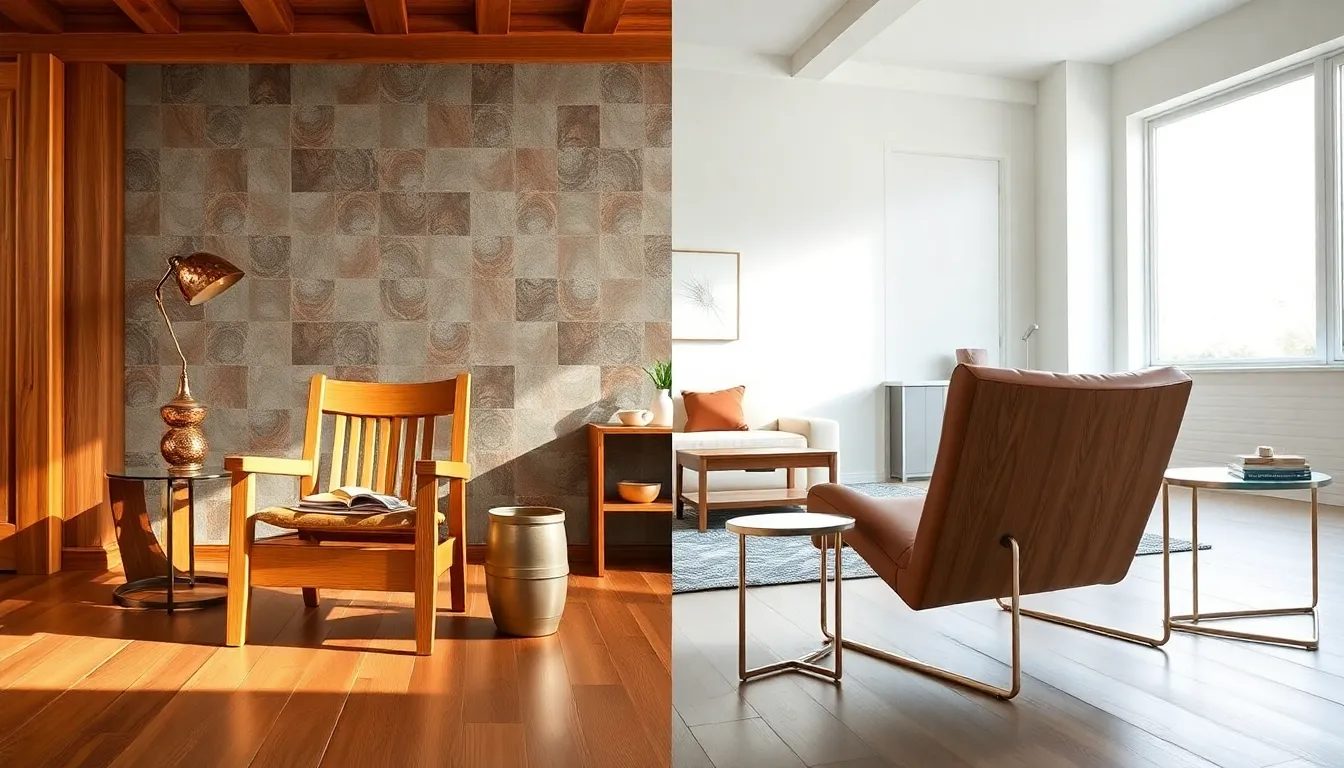
Arts & crafts vs. modern design, it’s a debate that shapes how people furnish their homes and express their personal style. These two movements sit at opposite ends of the design spectrum, yet both continue to influence architecture and interior design today. The Arts & Crafts movement celebrates handmade quality and natural materials. Modern design embraces simplicity, industrial production, and clean geometry. Understanding what sets them apart helps homeowners, designers, and enthusiasts make informed choices. This guide breaks down the key differences between arts & crafts vs. modern aesthetics, from their founding philosophies to practical applications in today’s living spaces.
Table of Contents
ToggleKey Takeaways
- Arts & Crafts design celebrates handmade quality, natural materials like oak and copper, and visible craftsmanship that prioritizes durability.
- Modern design embraces industrial production, clean lines, and materials like steel and glass to create minimalist, functional spaces.
- In the arts & crafts vs. modern debate, the biggest divide is their approach to technology—one resists machines while the other celebrates them as tools for affordable design.
- Arts & Crafts works best in Craftsman bungalows and for those who value warmth and historical authenticity, while Modern suits contemporary homes and easy-maintenance lifestyles.
- Mixing both styles successfully is possible by finding common ground in quality materials and honest construction principles.
- Budget matters: authentic Arts & Crafts pieces are expensive due to handwork, while Modern designs were originally created for mass production and broader accessibility.
What Defines the Arts & Crafts Movement
The Arts & Crafts movement emerged in Britain during the 1880s as a direct response to industrialization. William Morris, the movement’s most influential figure, believed factory-made goods lacked soul. He championed a return to handcrafted excellence and honest construction.
Several core principles define the Arts & Crafts aesthetic:
- Visible craftsmanship: Joinery, hardware, and construction details are meant to be seen and appreciated, not hidden.
- Natural materials: Oak, copper, leather, and stone appear in their authentic forms without heavy lacquers or synthetic finishes.
- Organic motifs: Patterns draw from nature, leaves, flowers, birds, and geometric shapes inspired by medieval design.
- Form follows function: Every element serves a purpose. Decoration grows from the object’s structure rather than being applied superficially.
Arts & Crafts furniture tends to feature straight lines, exposed tenons, and sturdy proportions. Think of the iconic Morris chair with its adjustable back, or the mission-style pieces produced by Gustav Stickley in America. These designs prioritize durability and comfort over ornate decoration.
The movement also carried a social dimension. Its founders believed that meaningful work, creating beautiful objects by hand, improved both the maker’s life and the user’s environment. This philosophy still resonates with people who value sustainability and ethical production today.
When comparing arts & crafts vs. other historical styles, its rejection of excessive ornamentation stands out. Victorian interiors overflowed with pattern and clutter. Arts & Crafts spaces feel calmer, more grounded, and intentionally simple.
How Modern Design Differs in Philosophy and Style
Modern design took shape in the early 20th century, reaching its peak influence between the 1920s and 1960s. Where Arts & Crafts resisted industrialization, Modernism embraced it. Designers like Ludwig Mies van der Rohe, Le Corbusier, and Charles and Ray Eames saw machine production as an opportunity to create affordable, functional objects for everyone.
The Modernist mantra “less is more” captures its essence. Ornamentation is stripped away. Surfaces are smooth and unadorned. The beauty comes from proportion, material quality, and precise engineering.
Key characteristics of Modern design include:
- Clean lines and geometric forms: Rectangles, circles, and straight edges dominate. Curves, when present, are controlled and deliberate.
- Industrial materials: Steel, glass, molded plywood, and plastic appear frequently. Concrete becomes an acceptable finish material.
- Open floor plans: Walls come down. Spaces flow into one another.
- Neutral color palettes: White, black, gray, and natural wood tones create a restrained backdrop. Bold accent colors appear sparingly.
In the arts & crafts vs. modern comparison, the treatment of technology creates the sharpest divide. Arts & Crafts viewed machines with suspicion. Modernism celebrated them as tools of democratic design, capable of producing quality goods at prices ordinary people could afford.
Modern furniture often looks lighter and more minimal than its Arts & Crafts counterparts. The Barcelona chair, Eames lounge chair, and Wassily chair remain design icons precisely because they achieve maximum visual impact with minimal material.
This efficiency extends to architecture. Modern homes feature large windows, flat or low-pitched roofs, and an honest expression of structural elements. The California Case Study Houses of the 1950s exemplify this approach, affordable, beautiful, and designed for real-world living.
Comparing Materials and Construction Methods
Materials tell a story about each movement’s values. The arts & crafts vs. modern distinction becomes especially clear when examining what each style uses and why.
Arts & Crafts Materials
Arts & Crafts designers favored materials that showed their natural character:
- Quarter-sawn oak: Prized for its distinctive grain pattern and stability
- Copper and hammered metal: Used for hardware, light fixtures, and decorative accents
- Hand-glazed ceramic tiles: Often featuring nature-inspired designs
- Natural textiles: Linen, wool, and cotton in earthy colors
- Mica and art glass: For lampshades and windows
Construction methods emphasized traditional joinery, mortise-and-tenon joints, dovetails, and wooden pegs. These techniques require skilled labor and take time, but they create furniture meant to last generations.
Modern Design Materials
Modern designers embraced what factories could produce efficiently:
- Tubular steel: Bent and welded into chair frames and table bases
- Molded plywood and fiberglass: Shaped into curved seating surfaces
- Plate glass: Used for tabletops and architectural walls
- Leather and woven textiles: Often in black or neutral tones
- Laminate surfaces: Practical, affordable, and easy to clean
Modern construction prioritizes efficiency. Parts are standardized. Assembly can happen quickly. The goal is reproducibility, every piece identical to the last.
This difference affects cost and accessibility. Authentic Arts & Crafts pieces command high prices because handwork is expensive. Modern classics, while often pricey today as vintage collectibles, were originally designed for mass production and broad affordability.
Which Style Works Best for Your Home
Choosing between arts & crafts vs. modern design depends on personal taste, architectural context, and lifestyle needs.
Arts & Crafts works well for:
- Craftsman bungalows and Tudor-style homes
- People who value handmade quality and historical authenticity
- Spaces that benefit from warmth, texture, and rich wood tones
- Those who prefer a collected, layered look over minimalism
Modern design suits:
- Mid-century ranch homes and contemporary architecture
- People who prefer uncluttered spaces and easy maintenance
- Smaller homes where visual simplicity makes rooms feel larger
- Those drawn to industrial materials and geometric forms
Many homeowners mix both styles successfully. A modern sofa can sit beside an Arts & Crafts side table. The key is finding common ground, perhaps a shared commitment to quality materials or honest construction.
Budget plays a role too. Authentic antique Arts & Crafts furniture is expensive and increasingly rare. Modern reproductions offer similar aesthetics at lower prices. Vintage modern pieces from the mid-20th century remain widely available, though iconic designs have become collectible investments.
Consider maintenance requirements as well. Arts & Crafts woodwork needs periodic oiling and care. Modern materials like steel and glass clean easily but show fingerprints and scratches.


